
You look in the mirror, see that your dental bonding still blends in nicely, and then that small worry creeps in. Will it chip? Will it stain? Will you need to pay for repairs sooner than expected? That concern makes sense. Bonding can improve the look of a tooth quickly, but it is not permanent, and daily habits have a lot to do with how long it holds up. If you want to learn about Invisalign options in Santa Rosa, it can also help to talk with your dentist about broader cosmetic and restorative goals.
The good news is simple. The Role Of Preventive Care In Extending The Life Of Dental Bonding comes down to steady, basic care. Clean teeth, smart food choices, regular checkups, and protection from grinding or biting hard objects can help bonded teeth stay smooth, natural-looking, and intact for years. If you have work done by a family and cosmetic dentist, prevention is what protects that investment.
Preventive dental care protects bonding from early wear
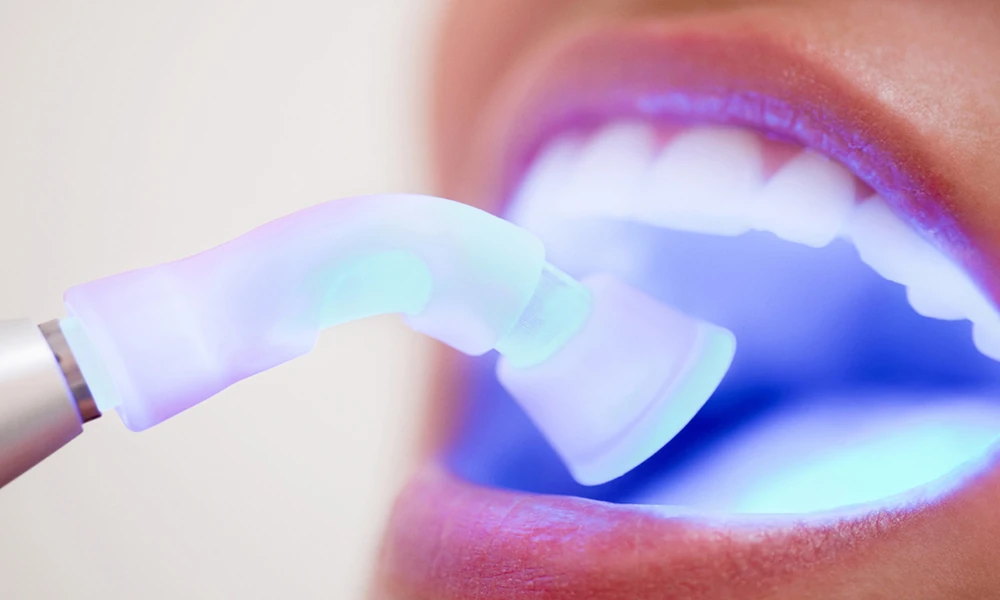
Dental bonding uses a tooth-colored resin that is shaped and hardened onto the tooth. It works well for small chips, gaps, uneven edges, and discoloration. It also has limits. The material is durable, but it is not as strong as natural enamel or some other restorations. That is where preventive care matters.
If plaque builds up around bonded teeth, the edges can become more noticeable and the surrounding gums may get irritated. If you chew ice, bite pens, or open packages with your teeth, the bonding can crack or loosen. If you drink coffee, tea, or red wine often and skip cleanings, stains can settle into the resin faster than you expect.
You may not notice the damage right away. A tiny rough spot can become a chip. Mild staining can turn into a mismatch between the bonding and the rest of your smile. Small problems are easier and cheaper to fix than larger ones, which is why prevention is less about perfection and more about catching wear before it gets worse.
Good home care starts with the basics. The National Institute of Dental and Craniofacial Research offers clear guidance on oral hygiene habits that help protect both natural teeth and dental work. Brushing twice a day with fluoride toothpaste and cleaning between teeth every day lowers the risk of decay and gum problems around bonded areas.
Daily habits shape the lifespan of cosmetic bonding
Preventive care for dental bonding is not complicated, but it does ask for consistency. Many people assume bonding fails because the material was weak from the start. More often, it wears down because of repeated stress. Think about what your teeth go through in a normal week. Crunchy snacks, hot coffee, sports, nighttime grinding, and skipped flossing all add up.
Say you had bonding placed on a front tooth after a small chip. If you grind your teeth in your sleep, that front edge may flatten or fracture sooner. If you smoke or use staining drinks daily, the bonded tooth may start to stand out. If you avoid routine exams because nothing hurts, a small issue can stay hidden until the bonding needs replacement instead of a quick polish or touch-up.
The Centers for Disease Control and Prevention shares practical oral health tips for adults that support this kind of prevention. The advice is familiar because it works. Brush, floss, limit tobacco, and keep up with dental visits. Bonding lasts longer when the tooth underneath and the gums around it stay healthy.
Smart prevention lowers repair costs and helps bonding last longer
People often focus on the upfront cost of cosmetic treatment and forget the cost of replacing it early. Bonding is usually more affordable than veneers or crowns, but frequent repairs can change that picture. Preventive care lowers the chance of chips, discoloration, and edge breakdown, which helps you avoid unnecessary repeat work.
A family and cosmetic dentist can also spot habits that are shortening the life of your bonding. Sometimes the fix is a night guard. Sometimes it is adjusting how your teeth come together. Sometimes it is as simple as switching from a hard-bristled toothbrush to a soft one and cutting back on stain-heavy drinks.
| Habit or Care Choice | Likely Effect on Dental Bonding | Long Term Impact |
|---|---|---|
| Brushing twice daily with fluoride toothpaste | Reduces plaque and surface staining | Helps bonding keep a smoother, cleaner appearance |
| Flossing or cleaning between teeth daily | Protects edges near the gums and between teeth | Lowers risk of decay around bonded areas |
| Chewing ice, pens, or hard candy | Raises risk of cracks and chips | Can lead to early repair or replacement |
| Routine dental exams and cleanings | Finds rough spots, bite issues, and stain buildup early | Extends the life of bonding with smaller corrections |
| Using a night guard for grinding | Reduces pressure on bonded teeth | Helps bonding maintenance over time |
For broader patient-friendly information on oral health and dental conditions, MedlinePlus has a useful dental health resource. It can help you understand why prevention affects not just your bonding, but your whole mouth.
Simple steps support the longevity of dental bonding
Protect bonded teeth from pressure. Stop using your teeth as tools. Avoid chewing ice, biting nails, and tearing open packaging. If you clench or grind, ask about a night guard. This step alone can make a major difference in the longevity of dental bonding.
Keep your cleaning routine steady. Brush gently with a soft toothbrush twice a day and clean between your teeth daily. If your bonding is on front teeth, this matters even more because plaque and stains show quickly. Good hygiene keeps the bonded surface and the tooth around it in better shape.
Stay on schedule with professional care. Regular checkups let your dentist polish minor stains, smooth rough edges, and catch small chips before they become larger repairs. If something feels off, even if it does not hurt, do not wait for it to worsen.
Consistent preventive care helps your smile stay stable
Bonding does not need perfect conditions to last, but it does need support. Small daily choices protect the look and strength of the resin, and they protect the natural tooth underneath it. That is the real value of prevention. You spend less time dealing with avoidable repairs and more time feeling comfortable with your smile.
If you have bonded teeth or are thinking about cosmetic treatment, schedule a visit with a family and cosmetic dentist to check the condition of your bonding and get a care plan that fits your habits.