
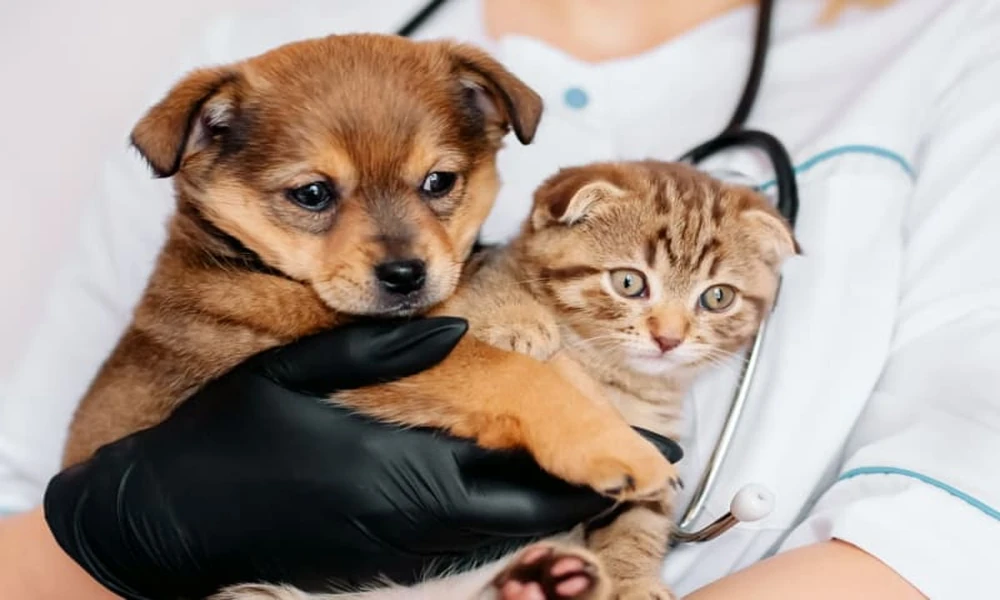
You know your pet’s normal. You know the way they breathe when they are asleep, how fast they get up for dinner, and what kind of look means they want to go outside. When something feels off, even before you can explain it, that knot in your stomach usually means you have already noticed a real change. In moments like this, the hardest part is deciding whether to wait, call your regular vet, or head straight to an animal hospital. For experienced veterinarian for Niagara Falls, ON pet owners, that decision can feel even more urgent.
Some symptoms can wait a few hours. Some cannot. If your pet is struggling to breathe, cannot stand, collapses, has uncontrolled bleeding, or shows signs of severe pain, you need emergency care right away. The same is true for seizures, a swollen abdomen, repeated vomiting, or possible poisoning. The goal is not to panic. It is to act fast when the signs point to danger.
Severe breathing trouble is an emergency that should not wait
Breathing problems can turn serious fast. A pet that is panting hard without exercise, breathing with an open mouth, stretching their neck out to pull in air, or making harsh sounds while breathing needs urgent attention. Cats are especially easy to miss here because they often hide distress until they are in real trouble.
You might see pale gums, blue or gray gums, flared nostrils, or a chest and belly working hard with each breath. Some pets become restless and cannot settle. Others get quiet, weak, or seem mentally checked out. Both responses are concerning. A dog that just seems “off” after a walk on a warm day could be overheating. A cat crouched under the bed and breathing faster than usual could be in respiratory distress.
Waiting to see if it passes can cost you time your pet does not have. According to Cornell’s emergency and critical care guidance, trouble breathing is one of the clearest reasons to seek emergency veterinary care. If your pet is having a hard time getting air in or out, a pet emergency hospital visit is the safer call.
Collapse, seizures, or sudden weakness signal a medical crisis
When a pet collapses, cannot get up, walks as if drunk, or seems suddenly disoriented, something serious may be happening. It could be a heart problem, internal bleeding, heatstroke, low blood sugar, toxin exposure, or a neurologic event. You do not need to know which one before you go. You just need to recognize that sudden weakness is not a wait and see symptom.
Seizures are another sign that your pet needs help now. A single short seizure can still justify urgent care, especially if it is the first one. Repeated seizures, a seizure lasting more than a few minutes, or a pet that does not recover normally between episodes should be treated as an emergency. The same goes for collapse after vomiting, after exercise, or after getting into food, medication, or household chemicals.
This is where people often lose time because the episode stops and the pet seems a little better. That brief rebound can be misleading. Internal problems do not always stay visible. If your pet fainted, seized, or became suddenly too weak to stand, you are beyond home monitoring. You need an emergency vet visit.
Uncontrolled vomiting, bloating, or poisoning can become life threatening fast
One episode of vomiting is not always an emergency. Repeated vomiting, vomiting with lethargy, a swollen belly, attempts to vomit with little coming up, blood in vomit, or signs of pain are different. These can point to a blockage, toxin ingestion, pancreatitis, gastric dilatation volvulus, or another acute condition that gets worse by the hour.
Dogs that pace, retch, drool, and develop a tight or enlarged abdomen need immediate evaluation. That pattern can be especially dangerous in deep chested breeds, but it can happen in others too. Cats may be subtler. Hiding, refusing food, hunching, and vomiting more than once can still reflect a crisis.
Poisoning also falls into this category. If your pet gets into chocolate, xylitol, grapes, human medication, rodent bait, cannabis products, or toxic plants, do not wait for symptoms to become dramatic. The FDA’s guide on who to call for a pet emergency outlines how quickly these situations can escalate and why immediate veterinary direction matters.
Home monitoring and animal hospital care are not equal when red flags show up
It is normal to want one clear rule for every situation. Real life with pets does not work that way. A limp after rough play may improve with rest. Labored breathing will not. Mild stomach upset may pass. Repeated vomiting with a swollen abdomen should not be watched overnight. The difference is not how worried you feel. The difference is whether your pet is showing red flag symptoms that can spiral fast.
| Symptom | Possible risk | Home monitoring | Immediate animal hospital visit |
|---|---|---|---|
| Mild single vomit, still active, drinking water | Minor stomach upset | Sometimes reasonable with vet guidance | Not always needed |
| Repeated vomiting, swollen abdomen, retching | Bloat, blockage, toxin, pancreatitis | Unsafe | Yes |
| Fast or labored breathing, blue or pale gums | Respiratory distress, heart issue, heat injury | Unsafe | Yes |
| Collapse, seizure, sudden inability to stand | Neurologic event, toxin, internal bleeding, shock | Unsafe | Yes |
| Known toxin exposure, even before symptoms | Rapid organ damage or delayed crisis | Unsafe | Yes |
Three steps to take when your pet shows emergency warning signs
1. Keep your pet as calm and still as possible. Limit movement, especially if your pet is weak, breathing hard, or painful. Do not offer food unless a veterinarian tells you to. If breathing is difficult, avoid pressing on the neck or chest and keep the carrier or car well ventilated.
2. Call ahead while you are leaving. A quick call to the hospital lets the team prepare oxygen, emergency supplies, or space for immediate triage. If poisoning is involved, have the product name, amount, and time of exposure ready. If your pet had a seizure or collapse, note how long it lasted and what happened right before it started.
3. Bring what matters and skip what delays you. Bring medications, a photo of anything your pet may have eaten, and any records you can access quickly. Do not spend twenty minutes searching for every document in the house. If your pet cannot breathe well, cannot stand, or is actively declining, the priority is getting to animal hospital care without delay.
Fast action gives your pet the best chance
You are not overreacting when you respond to clear danger signs. You are paying attention. That matters. If your pet is struggling to breathe, collapses, has a seizure, shows sudden severe weakness, keeps vomiting, bloats, or may have been poisoned, seek care right away. Quick treatment can change the outcome, and waiting is often the bigger risk.
If your pet is showing any of these signs, contact an emergency animal hospital now and head in as soon as possible.