
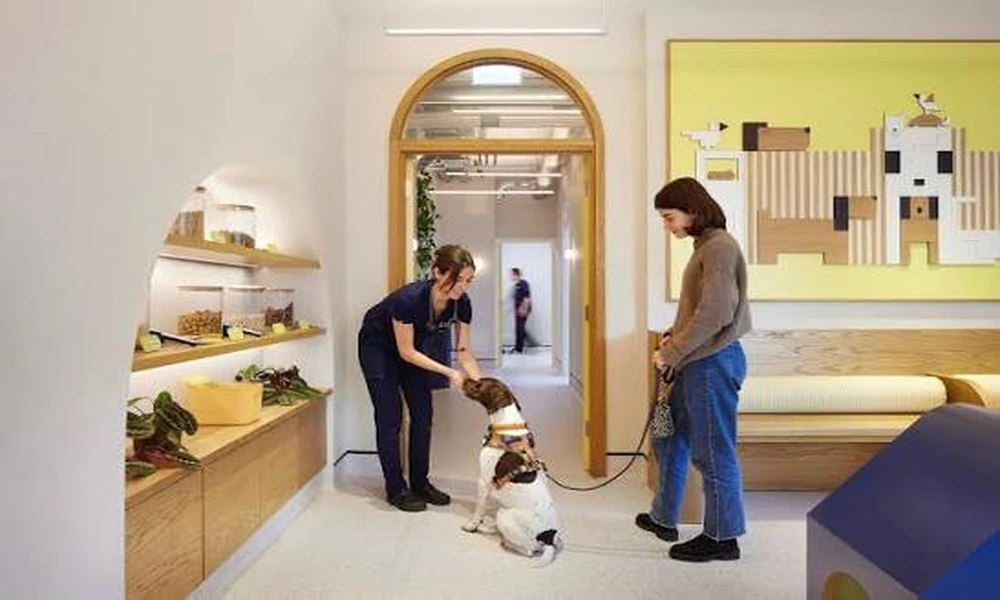
You know the moment. Your cat is already tense in the carrier, your dog is pulling toward every sound, and the waiting room feels like one more hurdle before the appointment even starts at an animal hospital in Larkspur, CA. For many pet owners, the hardest part of a visit is not the exam. It is the few minutes before it, when noise, unfamiliar smells, and close contact with other animals push stress higher.
That is why how animal clinics design separate waiting areas for dogs and cats matters more than people think. A calmer layout can lower fear, reduce reactive behavior, and make it easier for veterinary teams to do their work well. Good design is not only about comfort. It supports safety, better handling, and a smoother visit for pets and people.
Separate waiting spaces reduce fear before the exam starts
Dogs and cats do not experience a waiting room the same way. A friendly dog may see a room full of movement and sound as exciting. A cat often sees the same room as a threat. Even quiet cats can become overwhelmed by barking, direct eye contact from dogs, or carriers placed on the floor at nose level.
Animal clinics that separate species are responding to this basic difference. Some use fully divided waiting rooms. Others create cat only zones with shelves, visual barriers, and faster room placement. Many also use staggered scheduling so a nervous dog and a fearful cat are not arriving at the same time.
These choices are backed by feline handling guidance. The University of California, Davis outlines simple changes that reduce stress for cats, including elevated carrier placement and a quieter environment, in its feline tabletop and low stress handling resource.
When clinics ignore these needs, the effects show up fast. A dog that starts barking can trigger other dogs. A cat that smells those dogs may freeze, pant, or lash out later during the exam. Owners feel embarrassed, pets become harder to handle, and the appointment starts with everyone on edge.
Animal hospital waiting room design shapes safety and workflow
Separate dog and cat waiting areas are not only for anxious pets. They also help staff move patients through the clinic with less friction. Clear traffic flow matters. If exam rooms, scales, and check in areas force every animal through one tight space, stress builds before treatment even begins.
Well planned animal hospital waiting room design often includes wider paths, visual dividers, separate entrances when possible, and seating that keeps pets from facing each other at close range. Cat seating may include counters or wall mounted shelves so carriers stay off the floor. Dog areas may have more open floor space so large breeds do not crowd small pets or block pathways.
Teaching hospitals and primary care centers often reflect this patient flow mindset. You can see how large veterinary systems organize companion animal services through programs such as the primary care for dogs and cats at the University of Illinois and the companion animal primary care service at Ohio State. The exact floor plan varies, but the goal is the same. Reduce chaos, improve handling, and support better care from check in to discharge.
Cost plays a role too. Full renovation is not always realistic for a smaller practice. Clinics often make meaningful changes without rebuilding the whole space. Portable screens, separate check in times, direct to exam room protocols, and cat specific shelving can change the feel of a room without a major construction bill.
Small design choices in a veterinary clinic waiting room change the visit
The best waiting rooms work because they respect what pets notice first. Noise. Smell. Distance. Height. Escape routes. A cat carrier on the floor beside a large dog is not a small issue to that cat. A leash length that allows nose to nose greetings may seem harmless until one pet reacts badly.
That is why a thoughtful veterinary clinic waiting room often includes separate scent zones, non slip flooring, shorter wait times, and staff trained to move nervous patients quickly. Owners notice the difference right away. Check in feels calmer. Pets settle faster. The exam starts from a lower stress baseline.
| Waiting Room Feature | Shared Open Space | Separate Dog and Cat Areas |
|---|---|---|
| Noise exposure | Higher barking and movement triggers | Lower cross species noise and visual stress |
| Cat carrier placement | Often on floor near foot traffic | Shelves or counters keep carriers elevated |
| Dog reactivity risk | More direct contact with unfamiliar animals | Less crowding and fewer close encounters |
| Staff workflow | More interruptions and handling challenges | Smoother room placement and patient movement |
| Owner experience | More tension and embarrassment | More privacy and a calmer check in process |
Three steps pet owners can take right away
Ask about the clinic’s waiting room process. When you schedule, ask whether the clinic has separate spaces for dogs and cats, direct to room options, or quieter appointment times. If your pet has a history of fear or reactivity, say so early. That gives the staff a chance to plan around it.
Prepare for the waiting period before you leave home. Bring dogs on a secure leash with enough control to prevent greetings. Keep cats in a covered carrier and place that carrier on a seat, counter, or shelf if the clinic allows it. A familiar blanket can help both species settle faster.
Watch the room and advocate for your pet. If the waiting area becomes crowded or another animal is too close, ask whether you can wait outside, in the car, or go straight into an exam room. You are not being difficult. You are helping prevent a bad experience that can follow your pet into future visits.
Better clinic design supports better care
Pets do not walk into an animal clinic with the same expectations people do. They react to pressure in the room long before anyone touches them. Separate waiting areas for dogs and cats are one of the clearest ways clinics can lower that pressure and make visits safer, calmer, and easier on everyone involved.
If you are choosing an animal clinic, pay attention to the waiting room as closely as you do the exam room. The setup tells you a lot about how the practice thinks about fear, handling, and patient comfort. A clinic that plans for species specific stress is often a clinic that plans carefully in other parts of care too.