
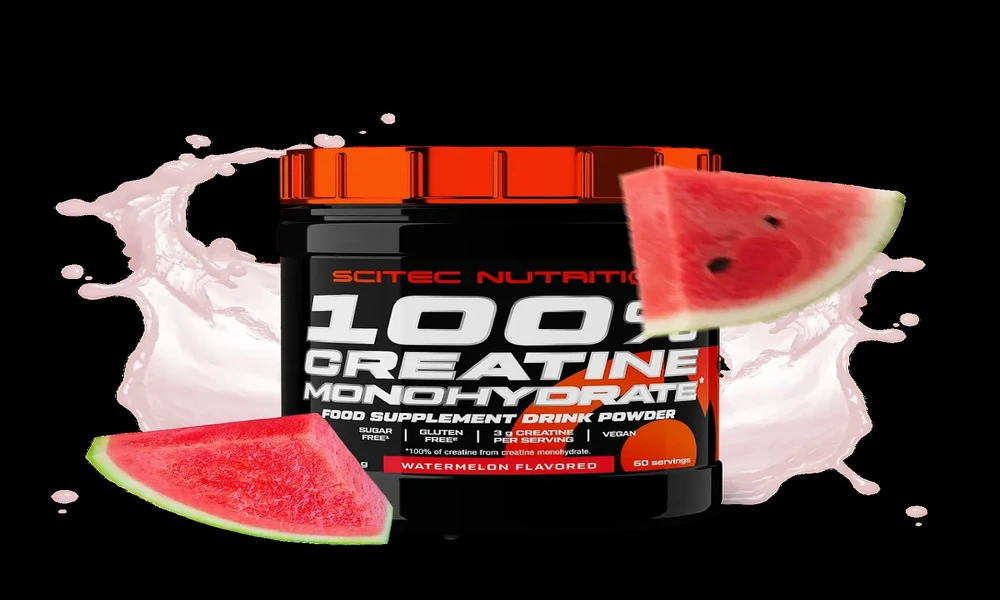
Sports nutrition has developed into a broad market covering far more than tubs of protein powder. Today, someone interested in fitness may encounter products related to protein intake, higher-calorie nutrition, workout preparation, amino acids, vitamins, weight management and everyday lifestyle needs. With this variety comes a practical challenge: shoppers need to understand what they are looking at before individual products can be compared meaningfully.
This is where clearly organised sports-nutrition retail becomes useful. Muscle Plus presents its range through different supplement and nutrition categories, helping visitors move towards the type of product relevant to their needs. Category-based browsing can provide useful context before shoppers begin examining individual formulas, ingredients and serving information.
Sports Nutrition Is Not a Single Product Group
The term “sports supplements” can make a diverse range of products sound like one category. In practice, protein powders and weight gainers, for example, are not simply alternative versions of the same thing.
Protein products generally focus on providing a convenient source of protein, although their formulations can vary. Weight gainers typically have a different nutritional profile, often providing substantially more energy through a combination of macronutrients.
Other categories have their own characteristics. Amino-acid products, workout-focused formulas, vitamins and lifestyle products all need to be understood according to their individual formulations and intended uses.
Clear categorisation helps establish these distinctions before a shopper reaches the individual product level.
Categories Create a More Focused Starting Point
Imagine browsing hundreds of sports-nutrition products presented in one continuous list. Even experienced shoppers could spend considerable time separating protein products from weight gainers, vitamins or other formulas.
Categories provide a practical first filter. Instead of asking which product is “best” across an entire catalogue, shoppers can first decide which product group is relevant.
This changes the comparison considerably. Once someone reaches a particular category, it becomes easier to examine similar products side by side and identify differences in serving size, ingredients, preparation and nutritional information.
A Store Catalogue Should Provide Context
For someone visiting a Supplement Store Lebanon, a useful catalogue is not simply a collection of product names and images. Organisation can help shoppers understand how different groups of sports-nutrition products relate to different needs.
Muscle Plus lists categories covering areas such as protein powders, amino acids, weight gainers, weight-management products, vitamins and lifestyle items, meals and snacks, and accessories. This type of structure allows visitors to narrow their browsing before reviewing specific products.
It is still important to check individual product information. Being placed in a particular category does not mean every formula within it has identical ingredients or serving instructions.
Product Labels Take Over From Category Names
A category helps shoppers reach the right part of a catalogue, but it should not make the final decision for them. Once suitable products have been identified, current labels become more important.
The ingredient list can show how apparently similar formulas differ. Serving information reveals how much product is intended for each use, while allergen statements are particularly important for people with dietary restrictions.
Manufacturer directions should also be reviewed rather than assuming that two products in the same category are prepared or consumed in the same way. Formulations may change, making current information preferable to details remembered from previous purchases.
Better Organisation Can Reduce Unnecessary Purchases
Clear categories can also encourage more deliberate shopping. Without a defined purpose, it is easy to move between several attractive products and assume that each one is necessary. Beginning with the appropriate category introduces a useful question: what role would this product actually have in the existing routine?
If that role is unclear, there may be no immediate reason to add it. Supplements can complement an established nutrition and training routine, but collecting multiple products is not automatically more beneficial. This approach can also make it easier to notice when products have overlapping purposes or ingredients.
Sports Nutrition Still Starts With the Basics
Even a well-organised supplement catalogue does not change the fundamentals of an active lifestyle. Regular food, appropriate hydration, consistent training and sufficient recovery remain important considerations.
Individual circumstances matter as well. Dietary preferences, training frequency and personal requirements differ, so another person’s shopping list should not automatically become someone else’s routine. Those with allergies, medical conditions, medication use or concerns about particular ingredients should seek useful professional advice when necessary.
Conclusion
As sports nutrition becomes more varied, clear product categories provide a practical way to make sense of the available options. They help separate products with different purposes and create a more focused starting point for further comparison.
Categories, however, are only the beginning. Shoppers should still examine current ingredients, serving information, allergen statements and manufacturer directions before deciding whether a product fits their needs. Combining organised browsing with careful label reading makes sports-nutrition shopping more understandable without turning a supplement routine into something unnecessarily complicated.