
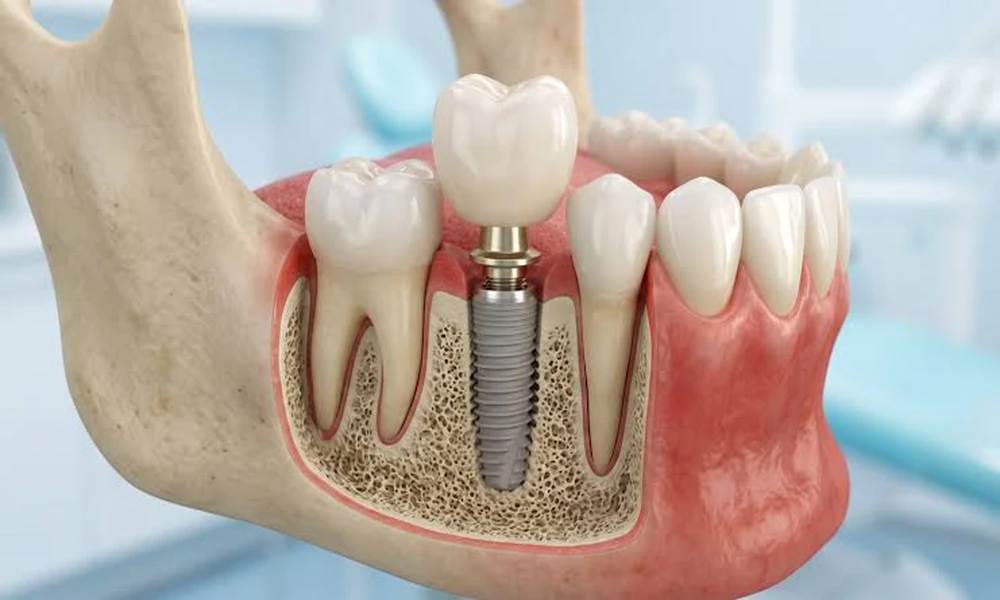
Most people assume implants are a dental benefit question, hit the $1,500 annual maximum on their dental plan, and stop looking. That is the wrong door. Medical insurance pays for dental implants more often than patients realize, but only when the claim is built around a medical diagnosis and submitted on the right forms. Practices that handle implant cases regularly, including Stubbs Dental, know this process well enough to tell you early whether your situation has a realistic shot. Here is how coverage actually gets approved.
Can medical insurance cover dental implants at all?
Yes, when tooth loss stems from a medical condition or injury rather than ordinary decay. Medical plans do not pay for implants because you want a better bite. They pay when the implant is part of reconstructing a jaw, restoring function lost to disease or trauma, or supporting a prosthesis that a medical condition made necessary.
The distinction insurers draw is between restorative dentistry and reconstructive medicine. Same titanium post, different billing universe.
Which situations usually qualify as medically necessary?
Claims tend to succeed when tooth loss traces back to something a physician would document. Common qualifying circumstances:
- Facial trauma from a car accident, fall, assault, or sports injury
- Jaw reconstruction after removal of a tumor or cyst, including oral cancer resection
- Congenital conditions such as cleft palate, ectodermal dysplasia, or oligodontia
- Severe alveolar bone atrophy causing documented difficulty eating, weight loss, or malnutrition
- Complications from radiation or chemotherapy affecting the jaw
- Obstructive sleep apnea cases where an implant-supported appliance is part of treatment
Routine periodontal disease and long-standing decay rarely clear the bar on their own. Where patients sometimes succeed is by documenting the downstream medical consequence, such as a physician-recorded inability to maintain nutrition.
What is cross-coding, and why does it decide the claim?
Cross-coding means translating a dental procedure into medical billing language so a medical carrier can process it. Dental offices bill using CDT codes. Medical carriers only accept CPT procedure codes paired with ICD-10 diagnosis codes, submitted on a CMS-1500 form rather than an ADA dental claim form.
For implant work, the relevant CPT codes are typically 21248 and 21249, which describe reconstruction of the mandible or maxilla with endosteal implants, partial and complete respectively. Bone grafting to the jaw falls under codes in the 21210 to 21215 range. The diagnosis code carries the argument: a fracture code, a neoplasm code, or a congenital anomaly code tells a very different story than K08.1, which simply notes tooth loss.
A claim submitted with correct procedures but a weak diagnosis code gets denied on medical necessity. This single detail is where most self-filed claims fall apart.
What documentation does a medical claim need?
At minimum, a letter of medical necessity from the treating dentist or surgeon, plus supporting records from any treating physician. The letter should state the diagnosis, explain why implants rather than a removable prosthesis are required, and describe the functional impairment in concrete terms.
Supporting material that strengthens a file:
- CBCT imaging showing bone loss or structural damage
- Operative reports from the trauma or tumor removal
- Photographs, when the clinical picture is visible
- Physician notes documenting weight loss, nutritional deficiency, or failed prior treatment
- Records showing a removable denture was tried and could not be tolerated
Request a predetermination, sometimes called prior authorization, before treatment begins. It is not a payment guarantee, but a written predetermination is the strongest leverage you will have if the claim is later contested.
How long does approval take, and what happens after a denial?
For plans governed by ERISA and the Affordable Care Act, insurers generally must decide a pre-service authorization request within 15 days and a post-service claim within 30. Patients typically have 180 days from a denial to file an internal appeal, and if the internal appeal fails, roughly four months to request an independent external review. Confirm the exact deadlines on your denial letter, since they vary by plan type and state.
Denials on first submission are common and frequently reversed. Read the denial code, fix the specific deficiency it names, and resubmit with additional documentation rather than the same packet.
Does Medicare or Medicaid pay for implants?
Original Medicare excludes most dental care, though CMS rules finalized in the 2023 and 2024 Physician Fee Schedules expanded Part B payment for dental services considered inextricably linked to covered medical treatment, such as dental clearance before organ transplant, cardiac valve procedures, or head and neck cancer therapy. Implants themselves remain outside that scope in most cases.
Medicaid adult dental coverage is optional and set state by state, so implant coverage ranges from limited to nonexistent depending on where you live. Check your state Medicaid agency directly.
Where to start
Bring your medical records to the consultation, not just your dental history, and ask whether the practice cross-codes to medical carriers in house. A team like Stubbs Dental can review the origin of your tooth loss and tell you which billing path fits before you spend anything. Ask for a written predetermination, and keep every piece of correspondence.