
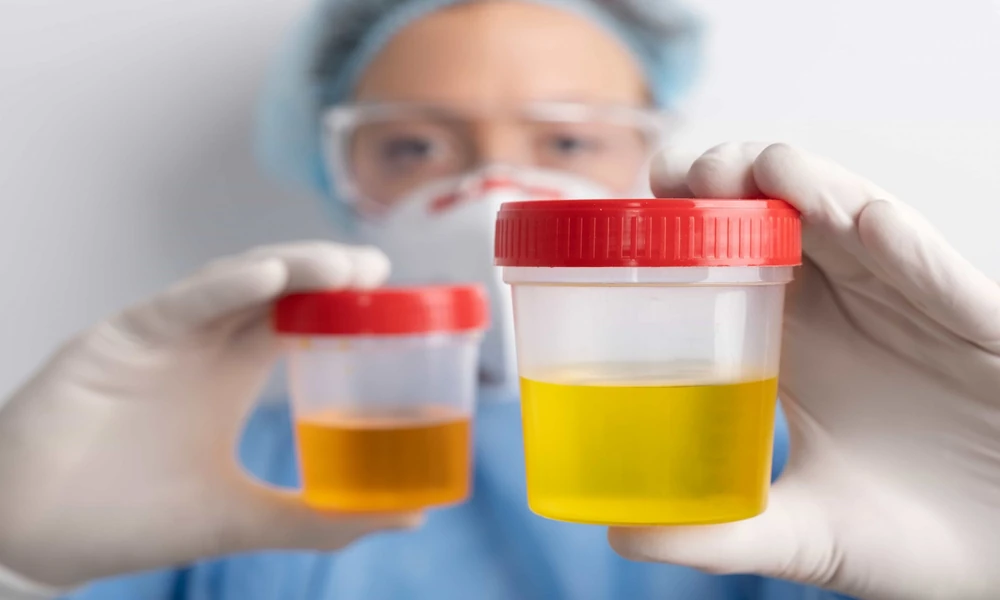
Controlled sample materials serve several useful purposes across modern laboratory work. The title Fake Urine Applications Beyond Commonly Discussed Testing Situations Today reflects those broader practical uses. During professional research, Fake pee may support planned demonstrations under carefully managed conditions. Prepared samples can also assist equipment checks where predictable properties are required. Training programs use controlled materials to teach correct handling without depending on biological specimens. These wider roles show how prepared substitutes support responsible technical learning.
Supporting Laboratory Equipment Checks
Laboratory instruments need regular assessment to confirm steady measurement performance. Prepared samples provide predictable material during routine equipment checking procedures.
Technicians can compare repeated readings under similar controlled working conditions. Consistent specimens also help identify unexpected changes within measuring equipment.
Improving Professional Training Activities
Training sessions often require safe materials for teaching basic handling procedures. Prepared substitutes allow learners to practice collection plus processing methods carefully.
Instructors can repeat demonstrations without depending upon fresh biological material. Controlled samples also make scheduled teaching sessions easier to organize consistently.
Useful Roles Across Research Work
Research settings can use prepared specimens for several controlled purposes. Each application depends upon clear procedures plus responsible sample management.
- Researchers assess measurement consistency during repeated controlled laboratory comparison activities.
- Training teams demonstrate specimen handling through carefully prepared substitute materials.
- Quality departments examine container performance during planned storage assessment procedures.
- Developers evaluate collection products through controlled sample handling research activities.
- Laboratory staff practice documentation methods using standardized prepared specimen materials.
- Equipment teams compare instrument responses during scheduled performance checking procedures.
- Teaching programs explain sample processing through controlled classroom demonstration exercises.
- Research groups observe storage changes through planned material stability assessments.
These roles require clear limits around intended use. Prepared samples should support research plus training rather than deception. Written procedures help teams understand how each specimen should be handled. Accurate records also make repeated assessments easier to compare over time.
Product Development Support
Manufacturers sometimes need controlled liquids when assessing collection-related products. Prepared specimens can support container sealing plus material compatibility assessments.
Known sample properties help development teams maintain similar testing conditions repeatedly. Such work can reveal packaging concerns before wider professional evaluation begins.
How Do Prepared Samples Support Research Training?
Controlled materials give instructors predictable specimens for planned laboratory teaching exercises. They allow repeated demonstrations where consistent properties matter for clear instruction. During these activities, Fake pee can provide a substitute material for legitimate educational purposes. Learners can observe handling procedures without requiring biological samples for every demonstration.
Responsible Handling Supports Better Research
Prepared materials require suitable storage before any planned laboratory activity begins. Users should follow supplied instructions regarding containers plus storage conditions carefully. Good records help track sample batches during repeated professional assessment work.
Responsible handling also includes checking the intended purpose before use. Laboratory teams should avoid applications designed to interfere with screening requirements. Ethical boundaries protect the reliability of testing systems plus professional research work.
Common Questions About Prepared Samples
Several practical questions arise when controlled substitutes enter research activities. Simple answers can clarify suitable purposes plus responsible handling expectations.
- Can prepared specimens support equipment checks? Yes, controlled properties enable consistent comparisons.
- Do training programs use substitute samples? Yes, they support planned demonstrations.
- Can samples assist container research? Yes, they help evaluate storage performance.
- Do prepared materials require careful storage? Yes, supplied directions remain important.
- Can researchers compare repeated procedures? Yes, standardized specimens support consistent assessment.
- Should deceptive screening use be avoided? Yes, responsible applications protect integrity.
Clear Procedures Improve Sample Management
Organized documentation helps laboratories understand when prepared specimens were received. Batch records can support traceability during research plus scheduled equipment checks.
Clear labels reduce confusion when several controlled materials remain in storage. Routine review also helps remove expired or unsuitable samples before planned work.
Steady Practice Builds Reliable Results
Careful procedures create dependable outcomes across repeated laboratory assessment activities. Clear records strengthen traceability while suitable storage protects expected material properties. Responsible purposes should remain central whenever substitute specimens enter professional work. Consistent methods usually provide greater value than chasing unnecessary perfection each time. Thoughtful execution ultimately supports reliable research plus stronger laboratory quality control.