
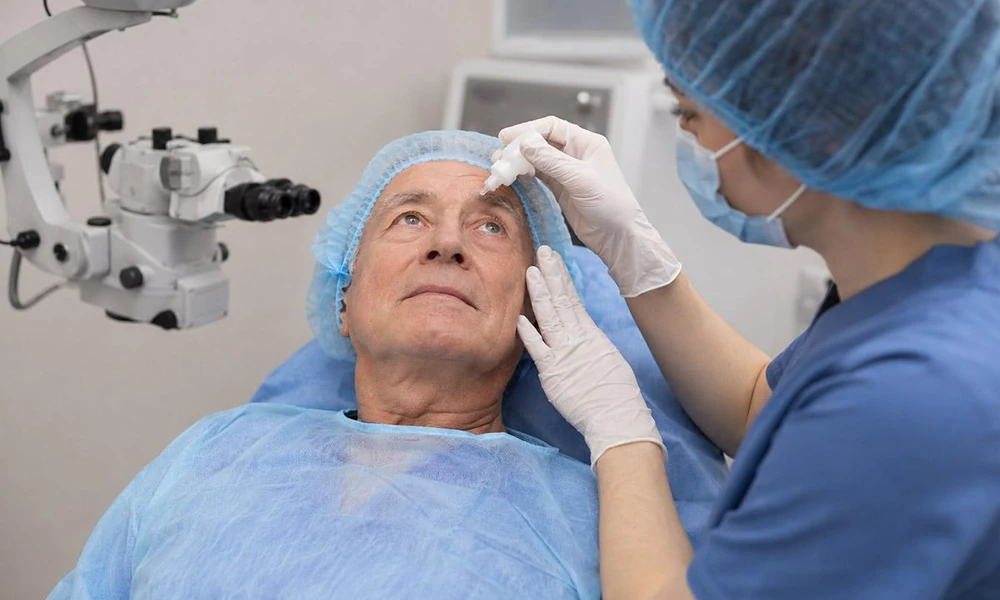
The Light Adjustable Lens is the only FDA-approved intraocular lens that can be fine-tuned after cataract surgery through a series of UV light treatments, allowing you and your doctor to adjust your vision based on how you actually see in daily life before the prescription is permanently locked in.
Most intraocular lenses used in cataract surgery are set based on measurements taken before surgery and can’t be changed afterward. The light-adjustable lens works differently, and that difference is worth understanding if you’re weighing lens options.
What Makes This Lens Different
This lens is the only one that lets you test-drive your vision before it’s finalized.
The Light Adjustable Lens is made from a photosensitive material that changes shape when exposed to a specific UV light treatment. Instead of committing to a single fixed prescription calculated before surgery, this technology allows your prescription to be adjusted after the fact, based on how your eyes actually heal and how you experience your vision in daily life.
How the Adjustment Process Works
About three weeks after your cataract surgery, once your eyes have healed enough, you’ll begin a series of light treatment appointments using a specialized delivery device that precisely reshapes the lens to fine-tune your prescription. Most patients need three to five treatments over one to two weeks, with each visit calibrated based on your evolving vision and preferences.
Working With Your Doctor to Choose Your Outcome
During the adjustment period, you and your doctor discuss what visual outcome best fits your lifestyle, whether that’s optimizing for distance vision, near vision, or a blend that reduces your overall dependence on glasses. This collaborative, iterative process is fundamentally different from traditional lens selection, where the outcome is essentially locked in before you’ve experienced it.
Protecting Your Eyes During Adjustment
Throughout the adjustment period, before your final treatment locks in your prescription, you’ll need to wear special UV-protective glasses during the day to prevent unintended changes to the lens from everyday sunlight exposure. This is a temporary but important part of the process.
Who Tends to Be a Good Candidate
Patients who want the most precise, personalized visual outcome from cataract surgery and who are comfortable with the additional follow-up visits the adjustment process requires are often strong candidates for the Light Adjustable Lens. Your surgeon can help determine whether this technology fits your specific eyes and goals during your cataract evaluation.
If you’re exploring premium lens options for your upcoming cataract surgery, including the Light Adjustable Lens, Anaheim Eye Institute can walk you through what to expect.
Have questions about your vision or ready to explore your options? Book an Appointment or call 714.533.2020.
This content is for informational purposes only and is not a substitute for professional medical advice. Talk to your eye doctor about which lens option is right for you.
FAQ
What makes the Light Adjustable Lens different from other cataract lenses? It’s the only FDA-approved intraocular lens that can be customized after surgery, using UV light treatments to fine-tune your prescription based on your actual healing and vision experience.
How many light treatments does the Light Adjustable Lens typically require? Most patients need three to five treatments over one to two weeks, beginning about three weeks after cataract surgery.
Do I need to wear special glasses during the adjustment period? Yes, UV-protective glasses are worn during the day throughout the adjustment period to prevent unintended changes to the lens before your final treatment.
Who is a suitable candidate for the Light Adjustable Lens? Patients seeking the most precise, personalized visual outcome and who are comfortable with the additional follow-up visits the process requires are often strong candidates.
Can I choose whether I want distance or near vision prioritized with this lens? Yes, during the adjustment process you and your doctor discuss your lifestyle and visual goals to determine the best outcome before it’s finalized.